Catholic Perspectives on Hell: Understanding Beliefs and Teachings
The concept of hell holds significant weight in Catholic theology, serving as a profound reminder of the consequences of one’s choices in life. Rooted in Scripture and tradition, Catholic beliefs on hell emphasize it as a state of eternal separation from God, reserved for those who die in a state of mortal sin without repentance. This understanding invites the faithful to reflect on the importance of moral living and divine mercy, shaping their spiritual journey with the hope of salvation. As we delve deeper into what Catholics believe about hell, we uncover the intricate balance between justice, mercy, and the ultimate call to love.
What do Catholics believe about the afterlife?
Catholics believe hell is a state of eternal separation from God for those who die in a state of mortal sin, choosing to reject His love.
Do Catholics believe in heaven, hell, and Purgatory?
Catholics hold a profound belief in the afterlife, emphasizing the significance of the soul’s journey following death. According to Church teachings, upon passing, each individual faces divine judgment, determining their eternal destination. This pivotal moment leads the soul to one of three realms: heaven, where the faithful enjoy eternal communion with God; Purgatory, a temporary state of purification for those who require further refinement before entering heaven; or hell, reserved for those who have irrevocably turned away from God’s grace.
This belief underscores the Catholic commitment to living a life aligned with faith and moral integrity, as the choices made during one’s lifetime shape the soul’s ultimate fate. By embracing a life of love, service, and repentance, Catholics strive to attain the joy of heaven while recognizing the mercy and hope offered through Purgatory. Ultimately, these teachings inspire believers to seek a deeper relationship with God, reinforcing the idea that life on earth is a preparation for the eternal journey that follows.
What practices do Catholics follow to prevent going to hell?
Catholics seek to avoid hell by maintaining a close relationship with Jesus Christ and actively participating in the teachings and sacraments of the Catholic Church. Central to this journey is the practice of repentance and the sacrament of reconciliation, which offers a path back to grace when one has committed mortal sin. By making conscious choices aligned with their faith, Catholics believe they can navigate their spiritual lives effectively, underscoring the importance of free will in their salvation.
Is hell empty according to Catholic beliefs?
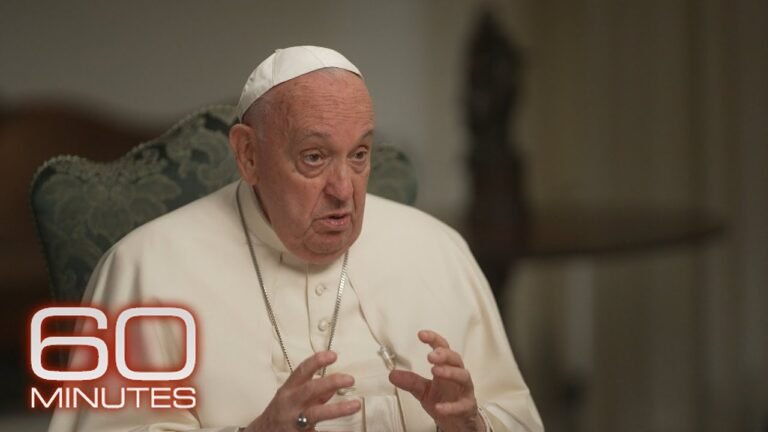
In a thought-provoking statement, the Holy Father shared his personal perspective on the concept of hell, suggesting that it might be empty. This idea invites reflection on the nature of sin, redemption, and divine mercy, emphasizing a hopeful view of humanity’s ultimate fate. By expressing this sentiment, he opens a dialogue about the possibility of universal salvation, a topic that resonates deeply within the Catholic faith.
The notion of an empty hell aligns with the Catholic Church’s emphasis on God’s infinite love and forgiveness. It challenges believers to consider the transformative power of grace, encouraging them to focus on compassion and understanding rather than condemnation. This perspective fosters a sense of optimism, inviting individuals to strive for a life that reflects divine mercy and love.
While the Holy Father’s remarks are framed as a personal opinion rather than an official doctrine, they nonetheless inspire contemplation about the afterlife and the nature of human choices. His hopeful outlook encourages Catholics to embrace a faith that believes in the possibility of redemption for all, reinforcing the idea that love and mercy ultimately triumph over judgment and despair.
Exploring the Doctrine: What Catholics Believe About Hell
The Catholic understanding of hell is rooted in the belief that it is a state of eternal separation from God, reserved for those who freely choose to reject His love and grace. This doctrine emphasizes the significance of free will, as individuals are accountable for their choices in life, and the teachings of Christ serve as a guiding light toward salvation. Hell is described not just as a place of punishment, but as a profound sorrow for the loss of divine communion, highlighting the gravity of turning away from the path of righteousness. Through this lens, the Catholic Church calls on the faithful to embrace compassion and mercy, urging them to reflect on their lives and the eternal consequences of their actions, while also fostering hope in the possibility of redemption.
Faith and Fear: The Role of Hell in Catholic Theology
In Catholic theology, the concept of hell serves as a profound counterpoint to the promises of redemption and eternal life, embodying the ultimate consequence of free will and moral choice. It is seen not merely as a place of punishment, but as a state of separation from God, reflecting the gravity of one’s decisions in life. This understanding encourages the faithful to confront their fears and embrace hope, motivating them to seek a deeper relationship with God through love and repentance. Thus, the notion of hell reinforces the seriousness of faith, urging believers to navigate their spiritual journey with both caution and conviction.
Redemption and Consequence: Insights into Catholic Teachings on Hell
Catholic teachings on hell emphasize both redemption and consequence, presenting a profound understanding of the afterlife that reflects the gravity of moral choices. At the heart of this doctrine lies the belief that hell is not merely a place of punishment, but a state of separation from God resulting from one’s free will to reject divine love. This perspective invites believers to recognize the significance of their actions in this life, highlighting the importance of repentance and reconciliation. Ultimately, Catholicism teaches that while hell serves as a sobering reminder of the consequences of sin, it also underscores the boundless mercy of God, who yearns for every soul’s redemption and offers countless opportunities for grace.
Catholic beliefs on hell emphasize the reality of eternal separation from God for those who choose to reject His love and grace. This understanding serves not only as a warning but also as a call to deeper faith and repentance. By recognizing the seriousness of sin and the importance of living a life aligned with God’s teachings, Catholics are encouraged to seek holiness and foster a relationship with the divine, ultimately aiming for salvation and eternal communion with Him.