The Significance of Casting Lots in the Bible
Casting lots in the Bible is a fascinating practice that highlights the intersection of faith and decision-making in ancient times. This method, often seen as a divine tool for discerning God’s will, involved the use of physical objects—such as stones or sticks—to make choices when faced with uncertainty. From selecting leaders to determining land allocations, casting lots served as a tangible reminder of reliance on divine guidance. As we explore its significance and application in biblical narratives, we uncover deeper insights into the spiritual principles that continue to resonate today.
What is the significance of casting lots in the Bible?
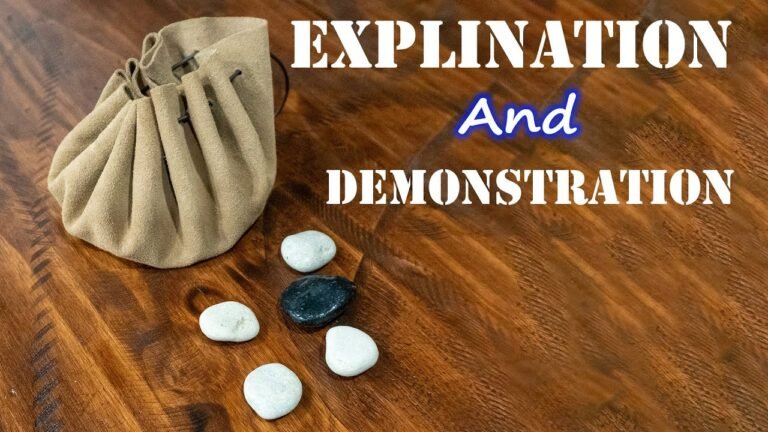
In biblical times, casting lots was a significant practice used to seek divine guidance in decision-making. This method involved using objects, such as stones or sticks, to determine God’s will in uncertain situations. The act was rooted in the belief that the outcome was influenced by divine providence rather than sheer luck, contrasting sharply with contemporary views of randomness and chance.
The account found in the book of Acts highlights a pivotal moment in the early church when the apostles needed to select a new member to replace Judas Iscariot. This decision was determinante for maintaining the integrity and leadership of the group, and casting lots served as a solemn way to invite divine intervention in their choice. By relying on this method, the apostles demonstrated their faith in God’s sovereignty over their circumstances.
Ultimately, casting lots in the Bible illustrates a profound concept: the intersection of human choice and divine authority. While modern interpretations may lean toward randomness, the biblical practice emphasizes a deeper trust in God’s guidance and purpose. It serves as a reminder of the importance of seeking divine wisdom in our decisions, reinforcing the belief that spiritual discernment transcends mere chance.
What is the meaning of a Lot being cast?
Casting lots is an ancient practice used to make decisions or select individuals in a random yet meaningful way. This method often involves the use of objects, such as stones or sticks, which are drawn or thrown to determine an outcome. While it may seem arbitrary, the act of casting lots has historically been imbued with a sense of divine guidance, as participants believed that the results could reflect the will of a higher power.
In various cultures, the practice of casting lots has served as a tool for resolving disputes, appointing leaders, or making significant choices. This form of cleromancy, where the divine is invoked through chance, showcases the intersection of randomness and spirituality. The randomness of the selection process adds an element of impartiality, allowing for decisions that are out of the hands of those involved, thus fostering a sense of fairness and acceptance.
Today, the concept of casting lots continues to resonate, reminding us of the age-old human desire for guidance in uncertainty. While modern decision-making often relies on systematic evaluation and analysis, the practice of casting lots captures the essence of surrendering control and trusting in a greater plan. Whether seen through a historical lens or applied in contemporary contexts, casting lots remains a powerful symbol of faith in the unknown.
Is casting lots equivalent to gambling?
Casting lots and gambling may share a random element, but their purposes diverge significantly. While both involve chance, casting lots has historically served as a means to seek divine guidance or make decisions in uncertain situations. In contrast, gambling is driven by the desire to win money, often leading to risk and potential loss. Therefore, the intent behind each practice highlights their fundamental differences, with casting lots rooted in spiritual inquiry rather than financial gain.
Unveiling Divine Decisions: The Role of Lots in Scripture
Throughout scripture, the practice of casting lots emerges as a profound method for discerning divine will and making critical decisions. This ancient practice, often viewed as a means of surrendering human judgment to a higher power, is prominently featured in key biblical narratives, from the selection of Matthias as an apostle to the division of land among the tribes of Israel. By invoking lots, individuals and communities sought clarity in moments of uncertainty, trusting that the outcome would reflect God’s purpose. This act not only highlighted the importance of faith in decision-making but also served as a reminder that even in randomness, divine order can be revealed.
Chance or Choice? Understanding Biblical Lot Casting
In ancient times, casting lots served as a vital decision-making tool, often seen as a method to discern divine will. This practice, rooted in biblical tradition, reflects a deep-seated belief that outcomes could be guided by a higher power, allowing individuals to relinquish control to fate. From the selection of leaders to the allocation of land, casting lots was perceived not merely as chance but as a sacred choice, underscoring the intertwining of faith and daily life.
The biblical narrative illustrates the profound significance of this practice, as seen in stories like that of Jonah, where lots were cast to identify the culprit behind a storm. Such instances highlight the communal aspect of decision-making, fostering a shared understanding of accountability and divine intervention. This act of casting lots thus becomes a bridge between human agency and divine sovereignty, prompting a reflection on how choices are made in the context of faith.
Today, the concept of casting lots invites us to examine our own decision-making processes. Are we guided by randomness, or do we seek a deeper understanding of our choices through prayer and reflection? Engaging with this ancient practice can encourage a balance between trusting in divine guidance and exercising personal responsibility, reminding us that even in the seemingly chance occurrences of life, there may be a purposeful design at work.
Providence in Practice: Exploring Ancient Lot Usage
In the heart of ancient civilizations, lot usage served as a vital framework for community organization and resource allocation. These designated spaces, often dictated by divine or communal guidance, were not merely parcels of land but represented a deeper connection to the divine will. The methodical approach to lot distribution reflected a society’s values and priorities, ensuring that every citizen had a stake in communal life and that resources were utilized equitably.
As we delve into the practices surrounding ancient lot usage, it becomes clear that these systems were not arbitrary but steeped in cultural traditions and spiritual beliefs. Rituals and ceremonies often accompanied the selection process, reinforcing the idea that the lots were imbued with providential significance. This intertwining of faith and daily life fostered a sense of unity among community members, as they accepted their assigned roles and responsibilities as part of a larger cosmic order.
Today, the legacy of ancient lot usage continues to inspire modern practices in urban planning and community development. By recognizing the importance of equitable resource distribution and community involvement, contemporary societies can learn from these ancient practices. Embracing the principles of providence and shared stewardship can lead to more harmonious living environments, where every individual feels valued and connected to their community’s purpose.
From Fate to Faith: The Spiritual Impact of Casting Lots
Throughout history, the practice of casting lots has served as a profound intersection of fate and faith, guiding decisions in both sacred and secular realms. This ancient method, often seen as a divine tool for discernment, reflects humanity’s quest for guidance beyond mere chance. By surrendering to the randomness of lots, individuals and communities have embraced a deeper spiritual connection, inviting the unseen hand of providence into their lives. Whether in moments of uncertainty or pivotal choices, casting lots transforms decision-making into a spiritual practice, fostering trust in a higher purpose and reinforcing the belief that our paths are intricately woven with divine intention.
Divine Guidance: The Significance of Lots in Biblical Narratives
In the rich tapestry of biblical narratives, the use of lots emerges as a profound symbol of divine guidance and providence. These seemingly random elements serve as powerful tools for decision-making, reflecting a deep trust in God’s sovereignty. From the allocation of land among the tribes of Israel to the selection of Matthias as an apostle, lots were cast not merely as a matter of chance, but as a means to seek clarity and direction from the divine will.
The act of casting lots is rooted in the belief that God’s hand guides the outcome, emphasizing the importance of faith in moments of uncertainty. This practice provided a communal sense of purpose, allowing individuals to relinquish personal biases and submit to a higher authority. As such, lots symbolize a collective reliance on divine wisdom, reinforcing the notion that human understanding is limited, and that true insight comes from above.
Throughout biblical history, the use of lots illustrates the interplay between human agency and divine intervention. Whether in moments of conflict, leadership selection, or resource distribution, casting lots highlights the faith-driven pursuit of God’s will in everyday life. This age-old practice continues to resonate today, reminding believers of the significance of seeking divine guidance in their own decisions and the importance of surrendering to a greater plan.
Casting lots in the Bible serves as a powerful reminder of divine guidance in decision-making and the importance of faith in uncertain times. This ancient practice, rooted in scripture, illustrates how believers sought wisdom beyond their own understanding, allowing chance to reveal God’s will. As modern readers reflect on these narratives, they are encouraged to embrace trust in the unknown and recognize that, even in randomness, there may be purpose and direction waiting to unfold.