The Significance of Sto Niño de Atocha in Cultural Heritage
Sto Niño de Atocha, a revered figure in Catholic tradition, embodies hope and protection for many devotees. This beloved representation of the Christ Child, often depicted dressed in traditional attire and holding symbols of comfort, has become a central figure in various cultural celebrations across the globe. With roots tracing back to the rich heritage of Spain, Sto Niño de Atocha’s influence extends far beyond its origins, inspiring countless believers to seek solace in its comforting presence. As we explore the significance and stories surrounding this cherished icon, we uncover the enduring power of faith and the deep connections it fosters within communities.
What is the significance of Sto Niño de Atocha?
Sto Niño de Atocha represents hope and protection, especially for travelers and the needy, symbolizing faith and devotion in Christian traditions.
Who is the Child of Atocha in Santería?
In the rich tapestry of Afro-Cuban spirituality, the Santería tradition exemplifies the profound blending of African and Catholic beliefs. One of the most fascinating figures within this syncretism is the Santo Niño de Atocha, a child saint revered for his compassion and protective nature. His image resonates deeply with practitioners, symbolizing hope and guidance in times of need.
The Santo Niño de Atocha is often equated with Elegguá, a pivotal orisha who serves as the guardian of pathways and opportunities. This connection highlights the adaptability of Santería, where elements of Catholicism are interwoven with Yoruba spirituality. Through this syncretic lens, the Santo Niño becomes a powerful representation of divine intervention and the ability to navigate life’s challenges.
By embodying the characteristics of both the Santo Niño de Atocha and Elegguá, practitioners find a unique spiritual ally. This melding of identities not only enriches their religious experience but also fosters a sense of community and shared belief. In celebrating the Niño de Atocha, devotees honor the resilience of their cultural heritage while embracing the transformative power of faith.
What is the significance of the Divine Child of Atocha?
The Divine Child of Atocha embodies a powerful symbol of hope and miraculous provision for Christian prisoners. Legend has it that the Santo Niño de Atocha would visit them, bringing food and water, and astonishingly, after each meal, his basket and pitcher remained perpetually full. This enduring miracle not only nourished their bodies but also uplifted their spirits, reinforcing faith in divine intervention during times of despair.
When is the Day of the Holy Child of Atocha in 2024?
In 2024, the celebration of the Santo Niño de Atocha will take place on October 20th, coinciding with the XXIX Sunday of Ordinary Time. This special occasion will be marked by a live broadcast of the Mass from the Sanctuary of Santo Niño de Atocha, where devotees will gather to honor this beloved figure. The event promises to be a significant moment for the community, bringing together faith and tradition in a heartfelt celebration.
Exploring the Legacy of Sto Niño de Atocha
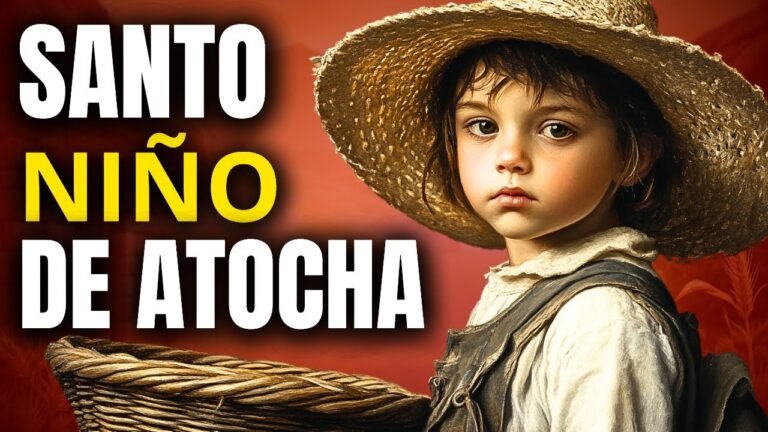
The legacy of Sto Niño de Atocha resonates deeply within communities, symbolizing hope, protection, and resilience. Revered as a child figure, he embodies the spirit of compassion and benevolence, often depicted with a basket of bread and a gourd, signifying his role as a nurturer and provider. This beloved saint has transcended cultural boundaries, inspiring countless devotees who seek his intercession in times of need. Festivals and rituals celebrating Sto Niño de Atocha not only honor his historical significance but also strengthen communal bonds, weaving together threads of faith and tradition that continue to flourish across generations.
A Symbol of Faith and Tradition
Throughout history, the cross has served as a powerful symbol of faith and tradition for countless individuals and communities. Representing the core tenets of Christianity, it embodies sacrifice, redemption, and hope. The cross transcends mere religious significance; it has become an emblem of resilience in the face of adversity. Many cultures have incorporated it into their art, architecture, and rituals, showcasing its enduring presence and influence across generations.
As a testament to its significance, the cross has inspired countless works of art, literature, and music, each interpretation reflecting the diverse ways in which it resonates with people. From ornate cathedrals to humble homes, the presence of the cross fosters a sense of belonging and continuity within communities. It serves as a reminder of shared beliefs and values, uniting individuals in their faith while honoring the traditions that have shaped their identities. This enduring symbol continues to inspire hope and connection, bridging the past with the present and guiding future generations.
The Heart of Cultural Identity
Cultural identity serves as the heartbeat of communities, weaving together shared traditions, values, and histories that define who we are. It fosters a sense of belonging, allowing individuals to connect with their roots while navigating the complexities of an ever-changing world. As we celebrate our unique heritages, we also embrace the rich tapestry created by diverse influences, promoting understanding and respect among different cultures. This dynamic interplay not only strengthens personal identities but also enriches society as a whole, reminding us that our differences are what truly unite us in our shared human experience.
Sto Niño de Atocha: A Timeless Icon
The Sto Niño de Atocha stands as a vibrant symbol of hope and faith, cherished by countless devotees across cultures. This beloved image of the Christ Child, often depicted carrying bread and a staff, embodies the spirit of compassion and protection, offering solace to those in need. With roots tracing back to medieval Spain, the devotion to Sto Niño de Atocha transcends generations, evolving into a profound cultural icon that resonates deeply with the values of love and charity. As communities gather to celebrate its legacy, the Sto Niño de Atocha continues to inspire acts of kindness, reminding us of the enduring power of faith in our lives.
Bridging Generations Through Heritage
In a world increasingly defined by rapid change, the importance of heritage shines brighter than ever. It serves as a vital link, connecting generations through shared stories, traditions, and values. By embracing our cultural roots, we create a tapestry of experiences that enrich our identities and foster a sense of belonging. This connection to the past empowers younger generations to understand their history while allowing older generations to pass down wisdom and insights that transcend time.
Celebrating heritage means inviting diverse voices to the table, ensuring that every story is heard and valued. Communities thrive when they actively engage in preserving their unique histories, whether through festivals, art, or shared culinary traditions. These moments not only honor the past but also inspire creativity and innovation, encouraging a dialogue that bridges age gaps. By working together, we can cultivate a vibrant cultural landscape that honors our differences while highlighting our common humanity.
As we navigate the complexities of modern life, it is essential to recognize the role heritage plays in shaping our future. By nurturing connections between generations, we instill a sense of pride and responsibility that fosters resilience and adaptability. When individuals understand where they come from, they are better equipped to face the challenges ahead. Ultimately, bridging generations through heritage is an investment in a more inclusive and harmonious society, where the past informs the present and guides us toward a brighter future.
The enduring legacy of Sto Niño de Atocha continues to inspire devotion and a sense of hope among countless followers. This cherished figure not only symbolizes protection and healing but also embodies the spirit of resilience in the face of adversity. As communities come together to celebrate his virtues, the traditions surrounding Sto Niño de Atocha remind us of the power of faith and the importance of cultural heritage in our lives. Embracing this rich history invites us to reflect on our own journeys and the guiding forces that shape them.