Understanding the Timing of the Rapture
The topic of the rapture has intrigued and puzzled believers and skeptics alike for generations, stirring up questions about the end times and the fate of humanity. As various interpretations and predictions abound, many find themselves wondering: when does the rapture happen? This article delves into the origins of the rapture concept, explores different theological perspectives, and examines the signs that some believe may herald its arrival, providing clarity on a subject that continues to captivate minds and hearts around the world.
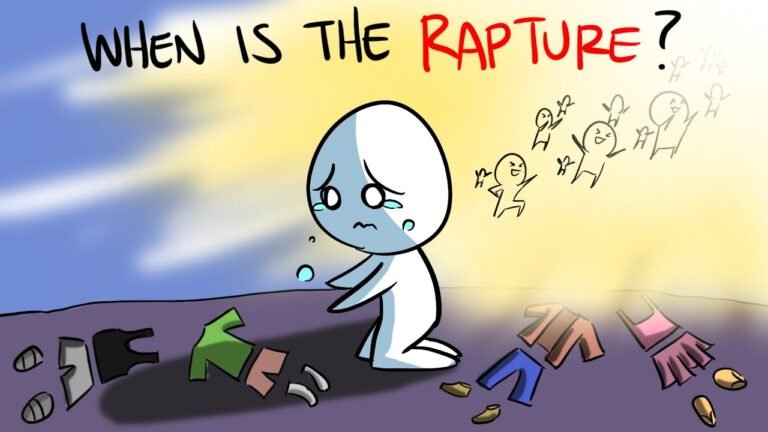
What does the term rapture mean and when is it expected to happen?
The Rapture represents a pivotal moment in Christian eschatology, where both living and deceased believers are prophesied to ascend into heaven to unite with Jesus Christ during His Second Coming. This transformative event encapsulates the hope of redemption and eternal life, marking a significant conclusion to earthly existence and the beginning of a divine promise. While interpretations vary, the essence of the Rapture lies in its assurance of salvation and the ultimate fulfillment of faith, stirring anticipation among believers as they await this monumental occurrence.
Where in the Bible is the rapture mentioned?
The concept of the rapture, though not explicitly named in the Bible, is rooted in several key passages that speak to the end times and the gathering of believers. While the term itself doesn’t appear, the essence of this event is reflected in scriptures such as Matthew 24:30-31, where it describes the Son of Man sending His angels to gather His elect from the four winds. This imagery evokes a powerful vision of divine intervention and the promise of salvation for the faithful.
In addition to the Gospels, the idea of a final judgment and the transformation of believers is echoed in other New Testament writings. For instance, 1 Thessalonians 4:16-17 illustrates the moment when the Lord will descend from heaven, and the dead in Christ will rise first, followed by those who are alive being caught up together with them. Such passages contribute to the theological foundation surrounding the rapture, emphasizing hope and reassurance for those who follow Christ.
The absence of the word “rapture” does not diminish the significance of these teachings. The overarching narrative of the Bible consistently emphasizes God’s promise of redemption and the ultimate fulfillment of His plan for humanity. With references scattered throughout both the Old and New Testaments, believers find comfort in the assurance of eternal life and the future reunion with Christ, underscoring the enduring relevance of these themes in Christian faith.
What does the Bible teach regarding the Second Coming?
The Bible describes the Second Coming of Jesus Christ as a powerful and transformative event, where He will return to cleanse the earth and establish His reign. In this moment of divine intervention, believers anticipate His arrival in great glory, marking a decisive end for the wicked. This pivotal event promises renewal and justice, underscoring the hope that followers of Christ hold for a future free from evil and suffering.
Decoding the Signs: When Will the Rapture Occur?
The concept of the Rapture has fascinated believers and skeptics alike, sparking countless interpretations and debates throughout history. While many religious texts hint at signs that may precede this significant event, the timing remains a mystery. From natural disasters to global unrest, proponents often cite these occurrences as indicators of an impending Rapture, suggesting that humanity is at a pivotal crossroads. Understanding these signs requires not only a deep dive into scripture but also an awareness of contemporary events that might align with prophetic visions.
As we navigate through these turbulent times, discerning the true meaning behind the signs becomes vital. Scholars and theologians continue to analyze historical patterns and cultural shifts, seeking to unravel the complexities of faith and prophecy. While definitive answers may elude us, the ongoing exploration of these themes invites individuals to reflect on their beliefs and the world around them. Ultimately, the quest to decode the signs serves as a reminder of the hope and anticipation embedded in the human spirit, encouraging a deeper connection to both faith and community.
The Countdown to Ascend: Timing the Rapture
As the world spins through its daily rhythms, a profound anticipation brews beneath the surface—an unshakeable belief that a momentous event awaits. This is not merely a fleeting notion; it is the essence of hope for many, a powerful countdown to an ascension that offers solace amid chaos. With every tick of the clock, the faithful prepare for a transformative experience, one that promises liberation and a reunion with the divine. Each day serves as a reminder to live with purpose and intention, fostering a sense of urgency that transcends the mundane.
In this charged atmosphere, the significance of timing takes center stage. The concept of the Rapture ignites discussions and reflections, urging believers to examine their lives and strengthen their connections with their faith. While the exact moment remains shrouded in mystery, the shared conviction of its inevitability unites individuals, encouraging them to seek deeper understanding and embrace the teachings that guide their paths. As the countdown continues, hearts resonate with a collective yearning, bridging the gap between the present and the extraordinary future that lies ahead.
Moments of Revelation: Understanding Rapture Timing
In the complex landscape of eschatology, the timing of the Rapture stands as a pivotal point of debate among theologians and believers alike. This moment, often perceived as a divine intervention where the faithful are taken to meet the Lord, raises critical questions about its sequence in relation to other prophetic events. Understanding the nuances of scripture is essential, as interpretations vary widely, creating a tapestry of beliefs that can both unite and divide.
As believers delve into biblical texts, they uncover layers of meaning that illuminate their understanding of the Rapture. Some argue for a pre-tribulation Rapture, suggesting that the faithful will be spared from the trials ahead, while others advocate for a post-tribulation view, emphasizing perseverance through tribulation as a testament of faith. Each perspective is rooted in scripture, prompting ongoing discussions that challenge individuals to deepen their understanding and strengthen their convictions.
Ultimately, the exploration of Rapture timing serves as a catalyst for spiritual growth, encouraging believers to engage with their faith actively. Whether one leans toward a specific viewpoint or remains open to various interpretations, the journey fosters a deeper connection to the divine narrative. In this shared pursuit of understanding, moments of revelation can emerge, guiding individuals toward a more profound relationship with their beliefs and the world around them.
Clarity in Chaos: Pinpointing Rapture Moments
In the whirlwind of daily life, moments of rapture often slip through our fingers, obscured by the chaos that surrounds us. Yet, it is precisely within this tumult that clarity can emerge, revealing fleeting instances of beauty and connection. Whether it’s the warmth of a shared laugh, the serenity of a sunset, or the thrill of a spontaneous adventure, these moments invite us to pause and appreciate the richness of our experiences. By honing our awareness, we can learn to pinpoint these treasures amidst the noise, transforming chaos into a canvas for joy and reflection. Embracing these rapture moments allows us to cultivate a deeper sense of gratitude and presence, enriching our journey through life.
The Divine Clock: Unraveling Rapture Timing
In the grand tapestry of existence, time weaves a narrative that transcends human understanding, often perceived as a linear progression. Yet, the concept of divine timing invites us to consider a more intricate design, where moments of rapture emerge as orchestrated intersections of fate and intention. These pivotal instances remind us that every experience is part of a greater plan, revealing insights that can transform our lives when we are open to recognizing them.
As we navigate our personal journeys, the elusive nature of timing can evoke both frustration and wonder. The anticipation of pivotal moments can lead to impatience, yet the beauty of divine timing lies in its ability to surprise us when we least expect it. Each encounter, challenge, and triumph serves as a brushstroke on the canvas of our destiny, encouraging us to trust the process and embrace the lessons that unfold along the way.
Ultimately, understanding the divine clock grants us a renewed perspective on our experiences. It invites us to cultivate patience and mindfulness, urging us to remain present and engaged with the unfolding of our lives. By recognizing that rapture often arises in unexpected ways, we can learn to celebrate the journey itself, finding joy in the knowledge that every moment is a stepping stone towards our true purpose.
The timing of the rapture remains one of the most debated topics in religious discourse, capturing the imaginations of many while inspiring a spectrum of interpretations. Whether viewed as an imminent event or a distant promise, its significance lies in the hope it offers for believers. As discussions continue to evolve, staying informed and engaged with various perspectives can enrich our understanding of this profound spiritual concept. Ultimately, the quest for answers fuels an enduring curiosity about the future and the faith that shapes it.