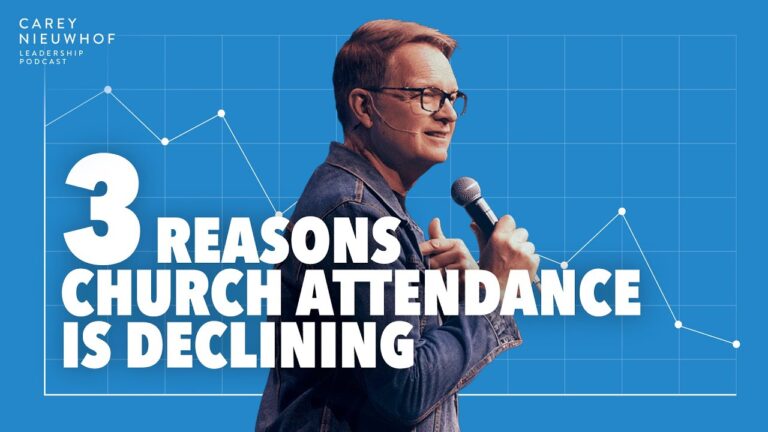
Understanding the Decline in Church Attendance
In recent years, the steady decline in church attendance has sparked a critical conversation about the evolving role of faith in modern society. As traditional religious practices face competition from a rapidly changing cultural landscape, many are left wondering why fewer individuals are choosing to participate in communal worship. This article explores the multifaceted reasons behind this trend, examining shifts in values, the impact of technology, and the search for spiritual fulfillment outside the church walls. Understanding these dynamics is essential for addressing the future of religious communities and their relevance in a contemporary world.
What factors contribute to declining church attendance?
Factors contributing to declining church attendance include changing societal values, increased secularism, the rise of technology, and a lack of engaging community experiences.
What are the reasons people are choosing not to attend church anymore?
Many individuals are drifting away from church attendance due to a growing sense of disconnection from the church’s leadership and culture. Cultural, political, and theological differences can create a rift, making congregants feel as though their beliefs or questions are not valued. This lack of alignment can lead to a diminished sense of belonging, prompting people to seek spiritual fulfillment elsewhere.
Additionally, the inability to voice doubts or seek clarity on faith matters contributes to this decline. When individuals experience grief or suffering, they often look for support and understanding, but if the church environment feels unwelcoming or rigid, they may find it difficult to engage. As a result, many are searching for spaces that offer both community and the freedom to explore their beliefs without judgment.
What factors are contributing to the decline in church attendance?
Recent studies indicate a notable decline in church attendance, with only 30% of Americans attending services nearly weekly, a significant drop from previous years. This trend highlights a broader shift in societal values and priorities, reflecting changes in how communities engage with spirituality and organized religion. As traditional church participation wanes, the implications for both religious institutions and community cohesion are becoming increasingly apparent.
One of the primary factors contributing to this decline is the rising number of individuals identifying as having no religious affiliation. Gallup’s research shows that this demographic shift is not merely a trend but a profound transformation in the American cultural landscape. As more people embrace secular beliefs or alternative spiritual practices, the traditional role of churches as central community hubs is being challenged.
The decline in church attendance raises questions about the future of faith-based organizations and their influence on society. With fewer individuals participating in organized religion, churches may need to adapt their outreach and engagement strategies to resonate with a more diverse and increasingly secular audience. This evolution presents both challenges and opportunities for religious institutions as they seek to remain relevant in a rapidly changing world.
What are the reasons behind the high number of people leaving the church?
Many young adults are stepping away from the church, feeling that their spiritual journeys are hindered rather than nurtured. As they seek growth, they encounter outdated teaching methods and a lack of relevant engagement opportunities that leave them feeling disconnected from the community. This sense of disillusionment grows when they perceive a gap between traditional church teachings and the pressing issues of modern life.
As a result, these individuals often find themselves questioning the relevance of the institution in their lives. The disconnect fosters a longing for a more meaningful spiritual experience, one that resonates with their values and contemporary challenges. This shift reflects a broader search for authenticity and connection, prompting many to explore alternative paths for their spiritual fulfillment.
Exploring the Factors Behind Vanishing Congregations
In recent years, the phenomenon of vanishing congregations has become increasingly evident, prompting a closer examination of the factors contributing to this decline. Social changes, including urbanization and shifting demographics, have altered the landscape of religious participation. As communities evolve, traditional church attendance has waned, particularly among younger generations who may seek spirituality outside conventional institutions. This shift highlights a growing disconnect between established religious practices and the contemporary values of society.
Furthermore, the impact of technological advancements cannot be overlooked. With the rise of digital platforms and online communities, individuals now have alternative avenues for connection and spiritual exploration. Virtual congregations and social media offer accessible ways to engage with faith, often leading to a decrease in physical attendance at traditional places of worship. As people navigate these new forms of community, many congregations struggle to adapt, resulting in dwindling memberships and financial challenges.
Lastly, internal factors within congregations themselves play a vital role in their decline. Many religious institutions grapple with aging leadership and a lack of innovation in outreach efforts, which can alienate potential new members. Additionally, the inability to address contemporary social issues or resonate with the diverse needs of the community can hinder growth. To reverse this trend, congregations must embrace change, fostering inclusivity and relevance in an ever-evolving world, ensuring that they remain vital and engaging spaces for future generations.
The Shift in Spiritual Engagement Today
In recent years, there has been a noticeable shift in how individuals engage with spirituality, moving away from traditional institutions towards more personalized and diverse practices. Many people are seeking deeper connections that resonate with their unique experiences and backgrounds, choosing to explore various spiritual paths rather than adhering to a single doctrine. This trend reflects a broader desire for authenticity and personal growth, as individuals look for ways to integrate spirituality into their daily lives.
Technology has played a pivotal role in this transformation, offering unprecedented access to spiritual resources and communities. Online platforms and social media have enabled seekers to connect with like-minded individuals, share experiences, and access teachings from around the globe. This digital landscape fosters a sense of belonging and support, empowering individuals to curate their spiritual journeys in a way that feels meaningful and relevant to them.
As spirituality becomes increasingly individualized, there is also a growing emphasis on mindfulness and well-being. Practices such as meditation, yoga, and holistic healing are gaining popularity, emphasizing the importance of mental and emotional health alongside spiritual growth. This holistic approach encourages individuals to cultivate their inner lives while remaining connected to the world around them, ultimately leading to a richer and more fulfilling spiritual experience in today’s fast-paced society.
Unpacking the Reasons for Empty Pews
In recent years, many places of worship have experienced a noticeable decline in attendance, prompting a closer examination of the factors contributing to empty pews. One significant reason is the shift in societal values, where spirituality often takes a backseat to personal pursuits and digital engagements. Additionally, a growing number of individuals express disillusionment with traditional religious institutions, seeking more inclusive and flexible spiritual practices that resonate with their beliefs. The rise of secularism and the accessibility of online resources further amplify this trend, as people find alternatives that align more closely with their lifestyles. Understanding these dynamics is vital for faith communities aiming to rejuvenate their congregations and foster deeper connections in an ever-evolving world.
Navigating the Changing Landscape of Faith
In an increasingly interconnected world, faith communities are experiencing a profound transformation. Traditional beliefs are being reexamined as modern challenges arise, prompting individuals to seek a deeper understanding of their spirituality. This shift encourages open dialogue and collaboration across diverse faiths, creating a rich tapestry of shared values and experiences that fosters unity in diversity.
As technology reshapes the way we communicate, faith leaders are harnessing digital platforms to reach broader audiences. Virtual gatherings, online worship services, and social media outreach are becoming essential tools for nurturing community and engagement. This digital revolution not only makes spiritual resources more accessible but also empowers individuals to explore and express their beliefs in innovative ways, bridging generational gaps and enhancing interfaith connections.
Ultimately, navigating this evolving landscape of faith requires adaptability and openness. As people confront existential questions and search for meaning, the blending of tradition and modernity offers a unique opportunity for spiritual growth. By embracing change while honoring core beliefs, faith communities can thrive, ensuring that spirituality remains a vital source of support, inspiration, and hope in our ever-changing world.
The decline in church attendance reflects broader societal shifts, including changing values, increased secularization, and a quest for community beyond traditional religious structures. As individuals seek meaningful connections and spiritual fulfillment in diverse ways, faith communities must adapt to these evolving needs. Embracing inclusivity, innovation, and relevance will be vital for churches hoping to engage the next generation and revitalize their role in contemporary society.